/ Private Sector Creates Association Against Illicit Economies to Combat Smuggling and Piracy in Chile
August 6, 2026Various industries have joined forces to help combat illegal trade, smuggling, and counterfeiting, warning that these markets fuel other violent crimes.
Various private-sector industries have joined forces to form the first National Association Against Illicit Economies (ANEI), an initiative that seeks to coordinate strategic collaboration with authorities to reduce the supply of illegal products and discourage the purchase of goods in Chile’s informal market.
The creation of this organization is a response to a critical assessment of the rise in crime and the loss of public spaces. According to the recent report “Toward a Chile Free of Illicit Economies,” prepared by the Confederation of Production and Commerce, illicit activities cause damage to the treasury valued at approximately USD$ 1.5 billion per year, and the private sector spends nearly US$ 2.7 billion to protect itself from organized crime.
Faced with this situation, leading companies from various industries have adopted an active stance and a commitment to corporate shared responsibility in addressing an issue that, they note, affects citizens, businesses, and the government alike, warning that smuggling, illicit trade, and counterfeiting have become the primary financial drivers of other illegal activities.
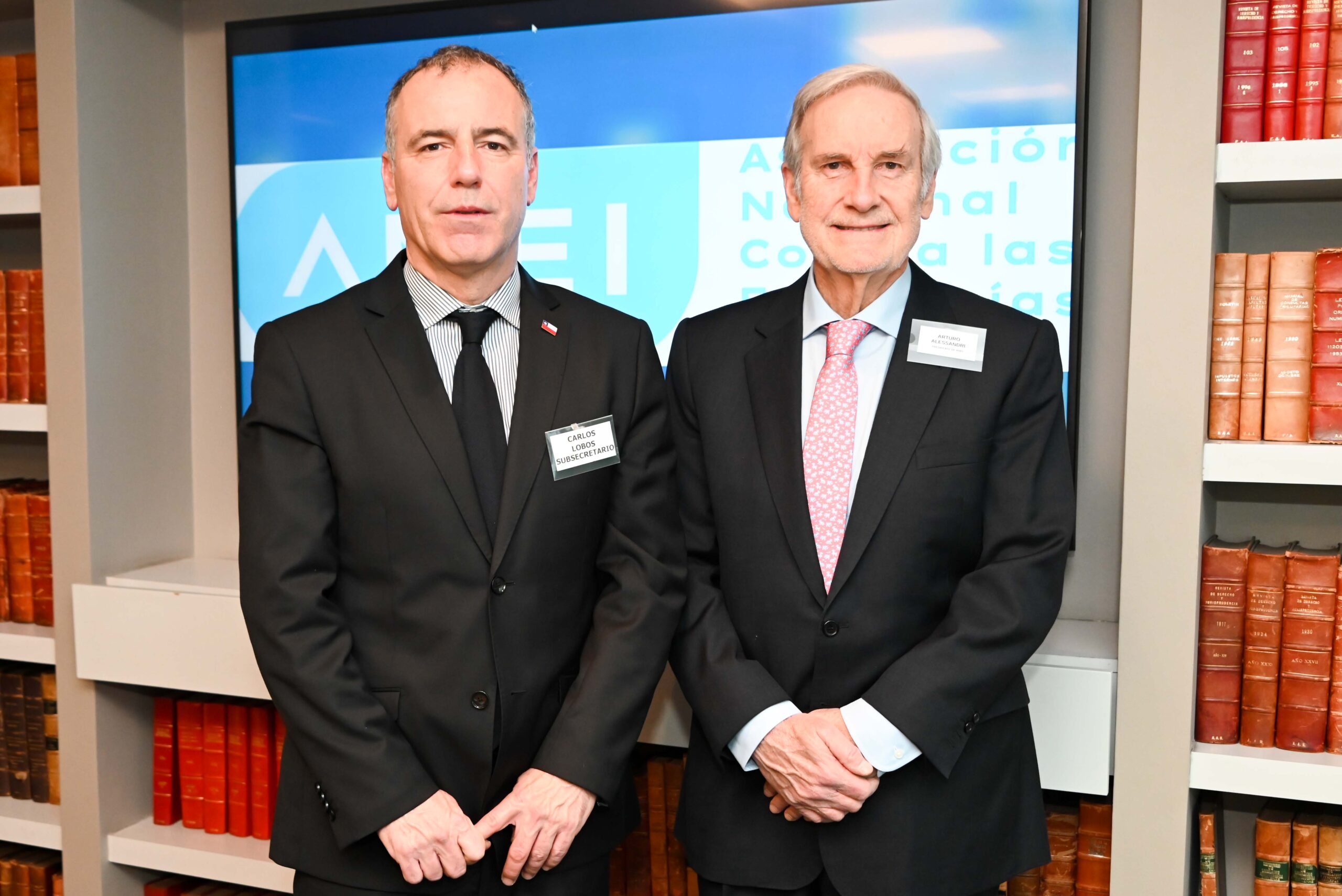
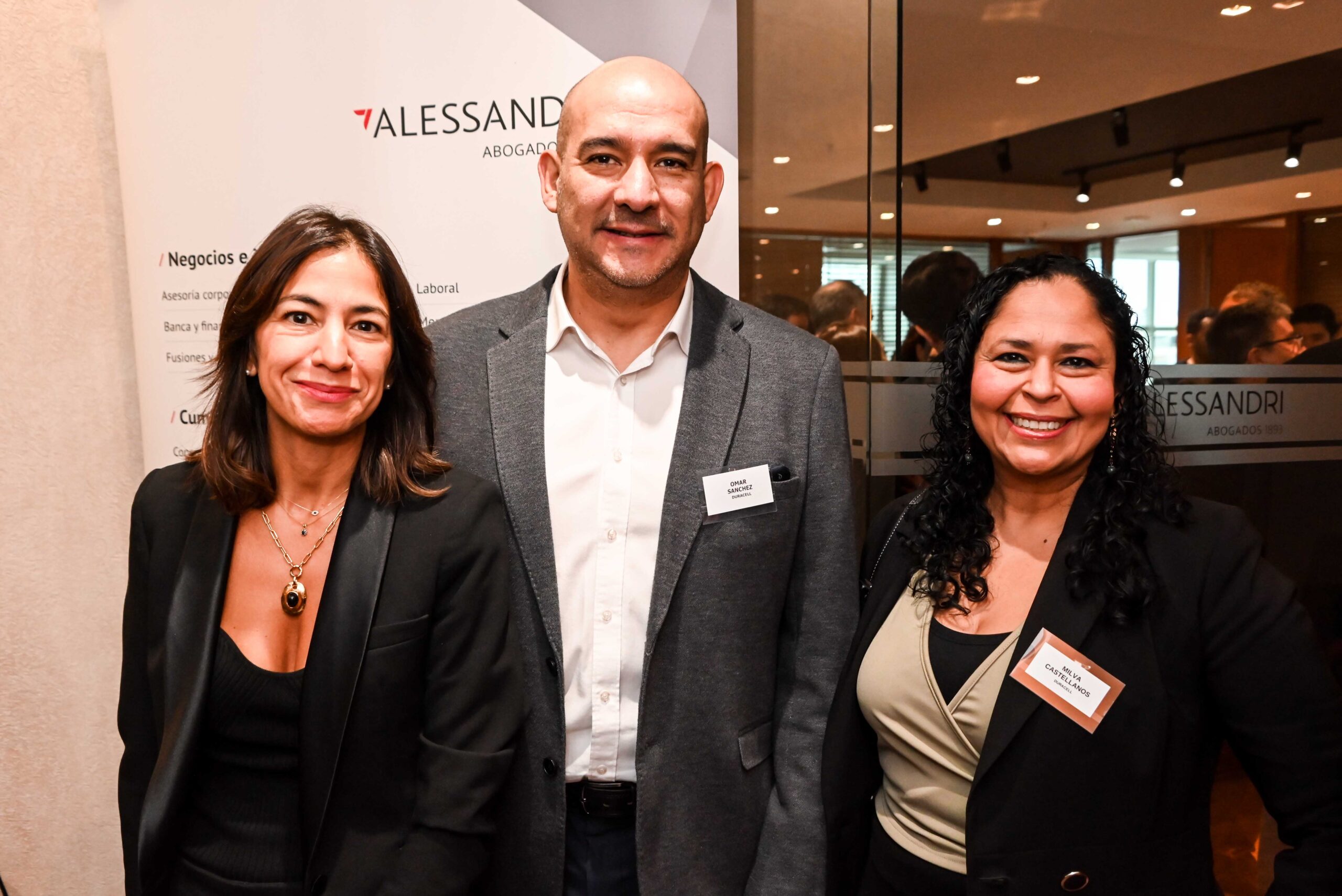
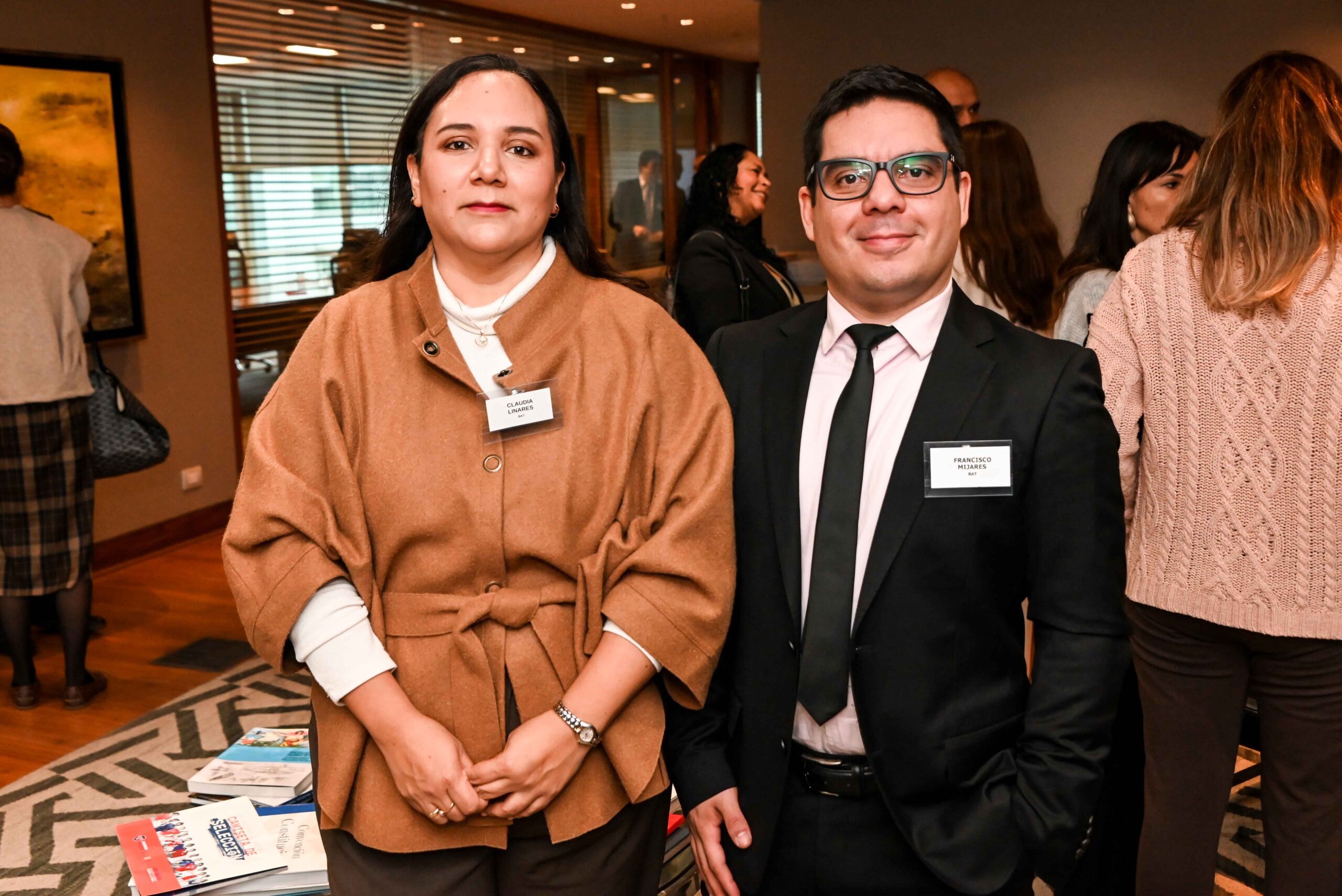
This coalition is composed of BAT Chile, Duracell, Empresas SB, L’Oréal Groupe Chile, and Penguin Random House Grupo Editorial. It is chaired by Arturo Alessandri, an attorney at the law firm Alessandri Abogados, and seeks to promote public initiatives based on the premise that the private sector plays a fundamental role in supporting government efforts.
“Today, the economic environment penalizes those who follow the rules and favors a gray economy that financially fuels criminal gangs, facilitating their escalation into other crimes. We have valuable analyses regarding both the decline in tax revenue and the cost of the ‘security tax’ that the private sector must bear. We aim to serve as an umbrella organization where information can be shared and activities supported by the private sector can be developed, with the goal of finding joint solutions with the government, regulatory agencies, and the public. We believe it is time to take action,” says Arturo Alessandri, president of ANEI.
Cross-Sector Support
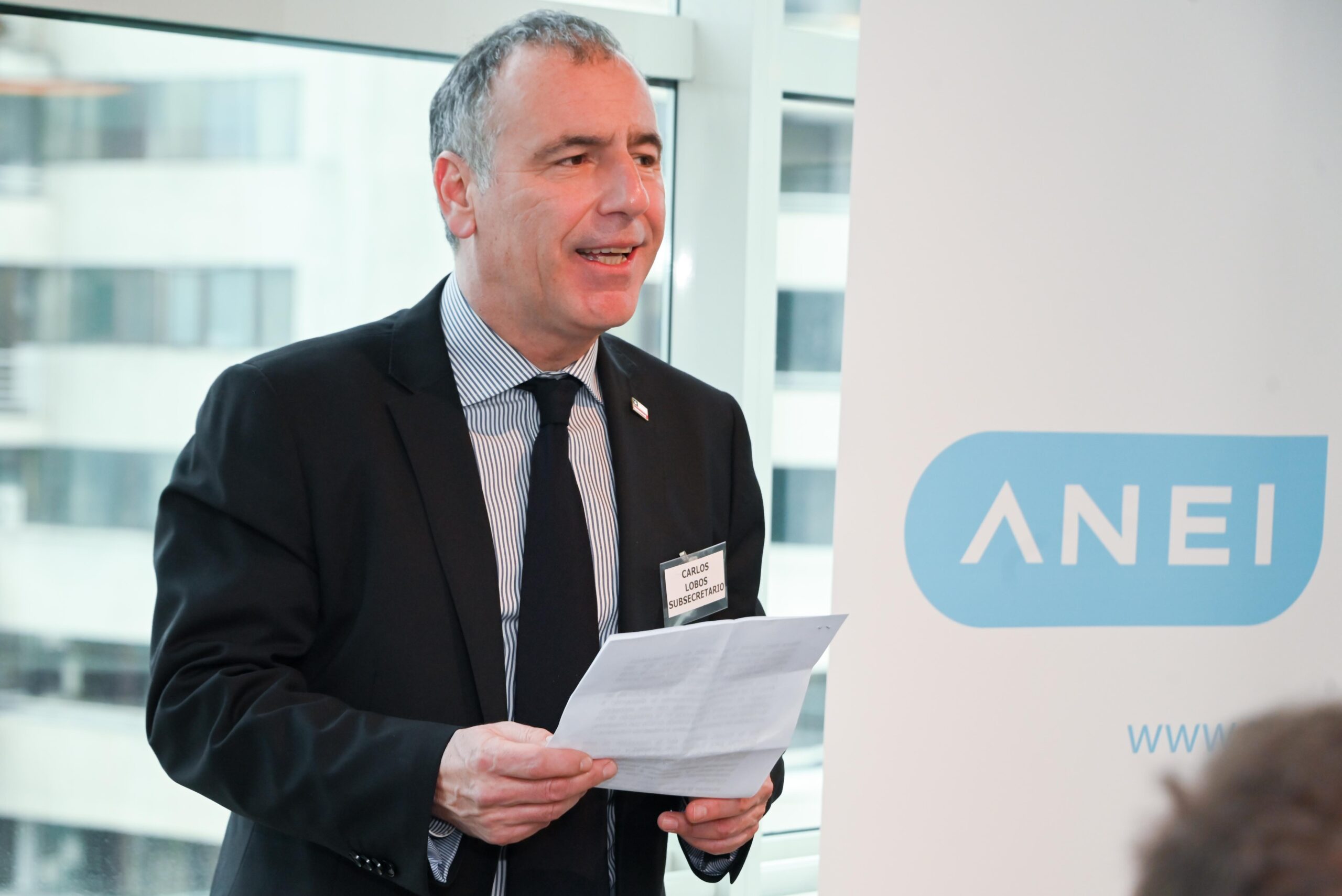
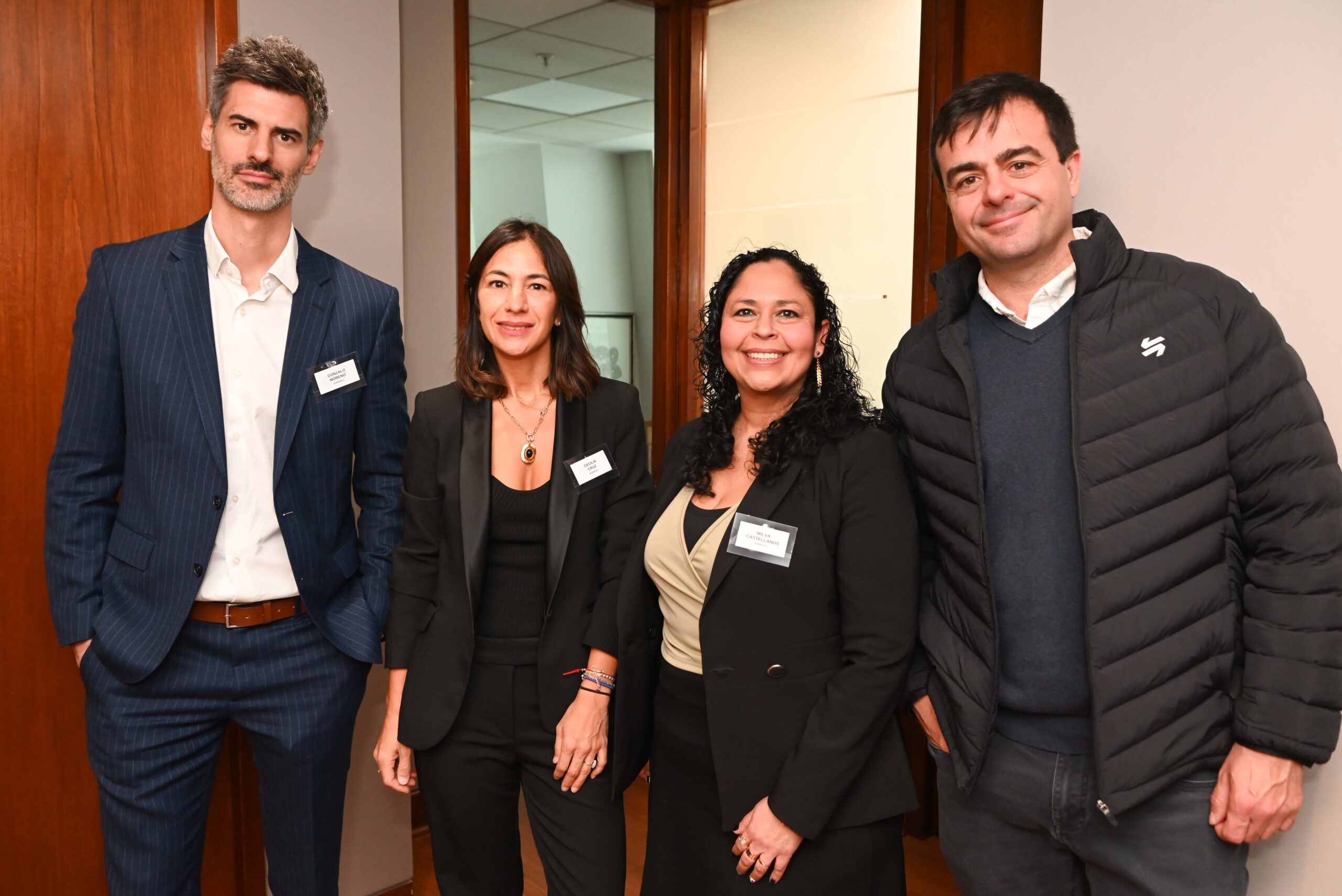
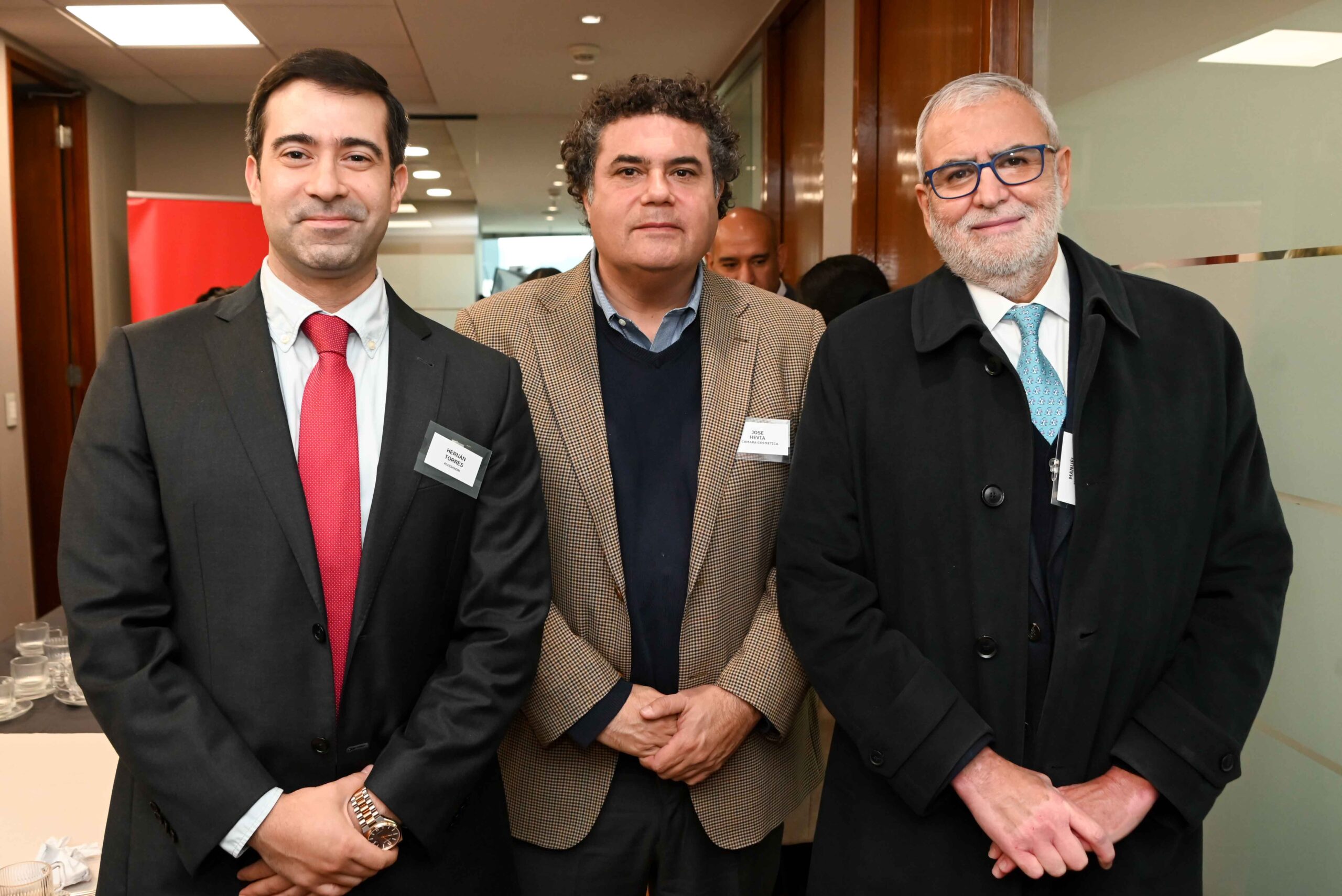
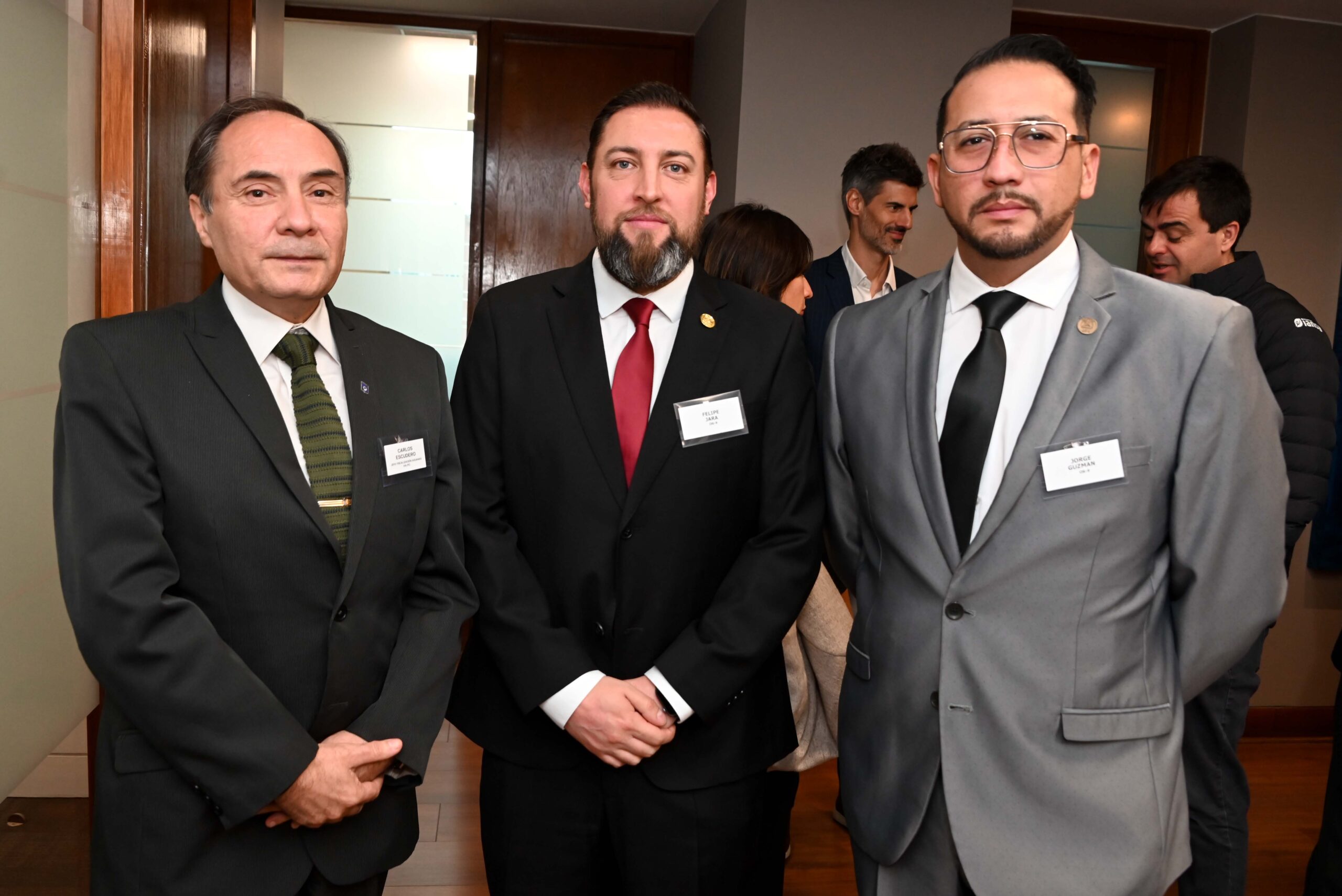
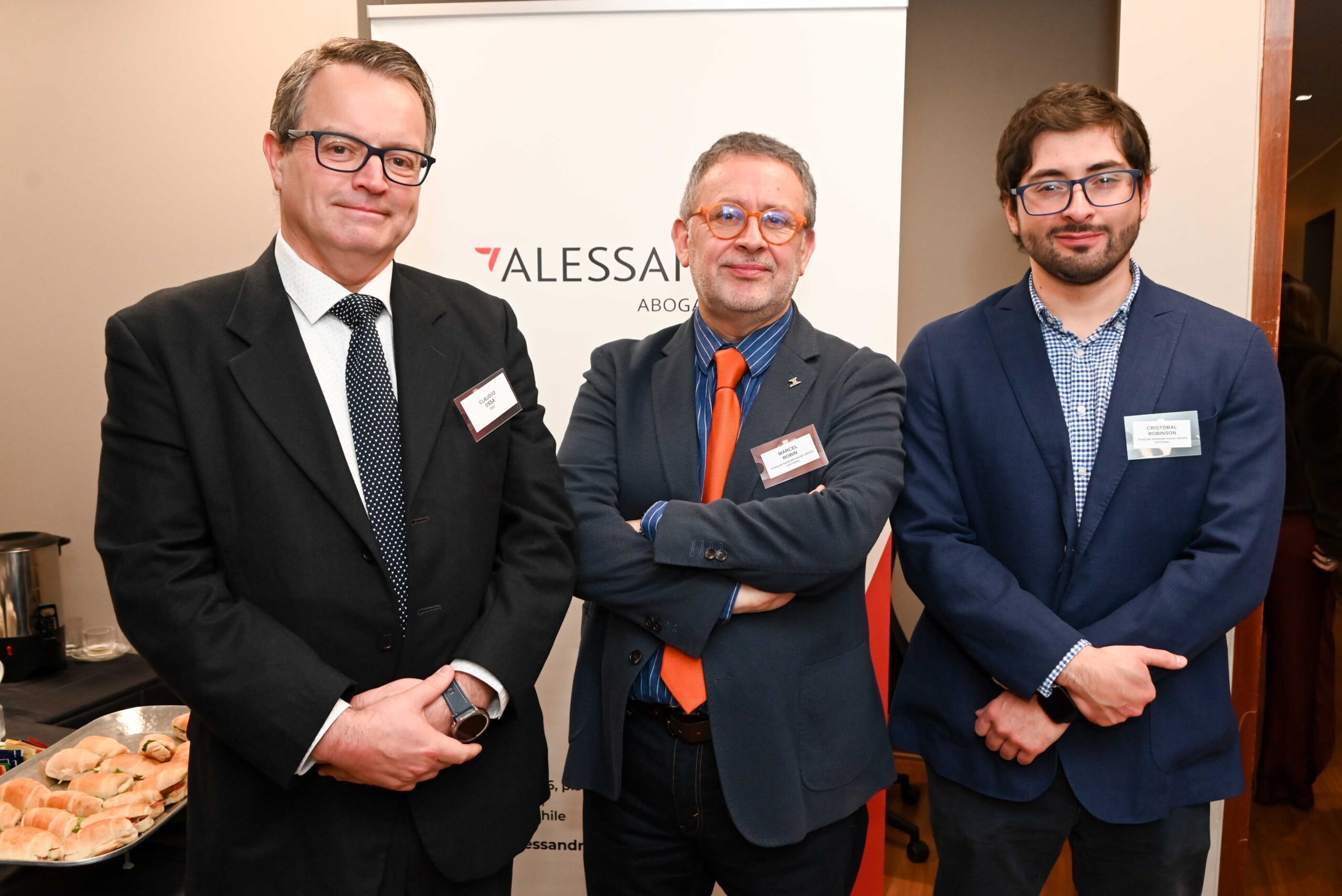
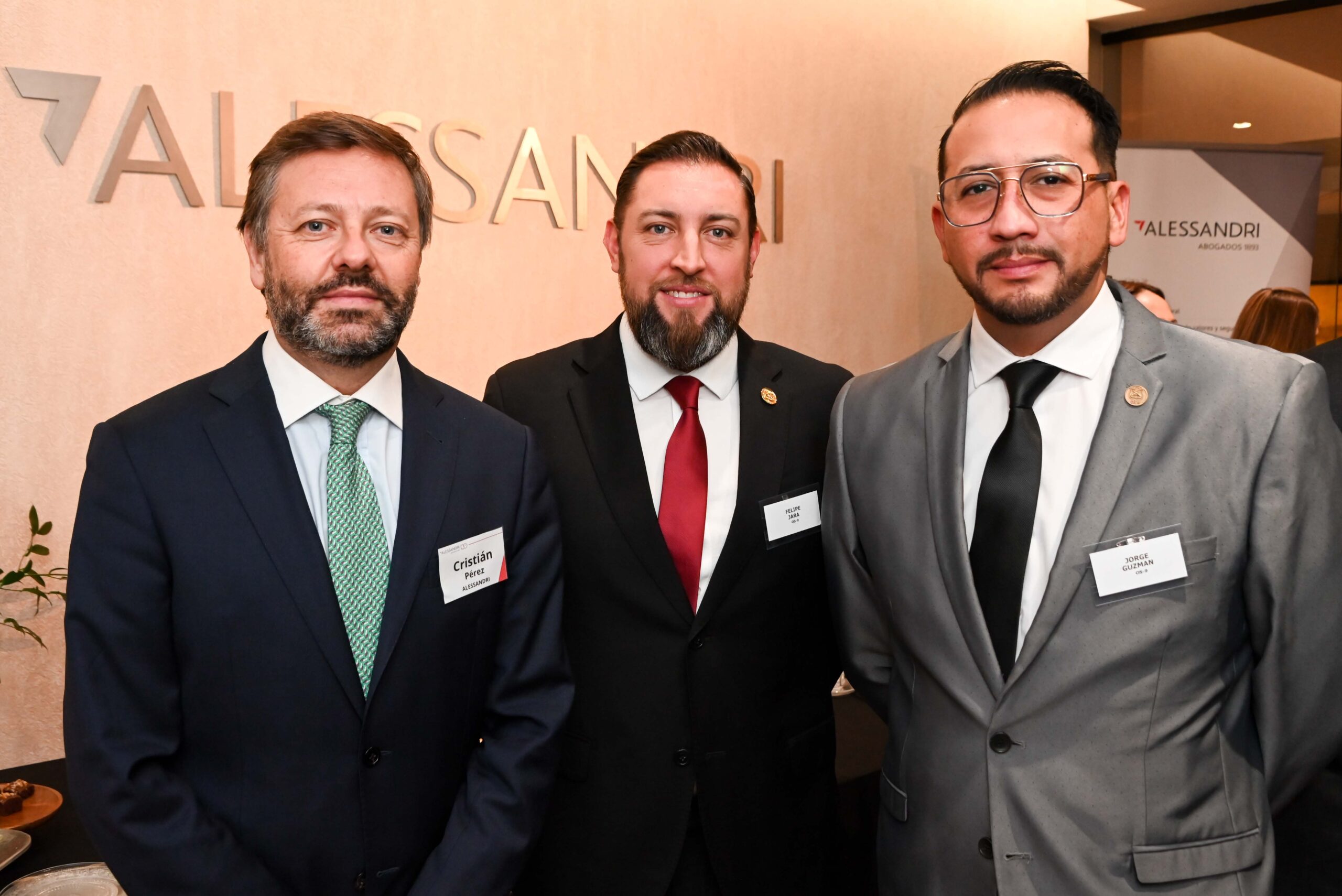
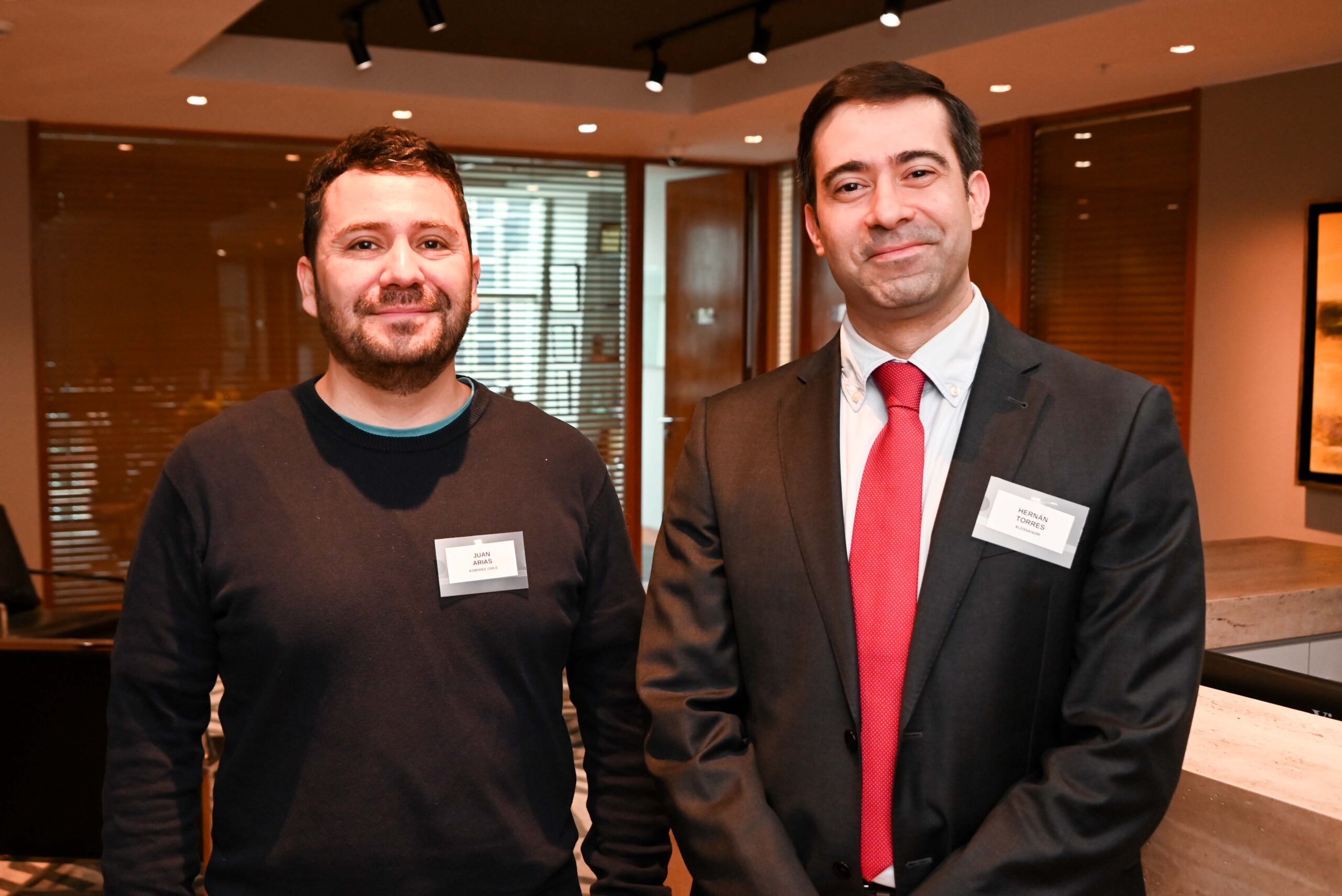
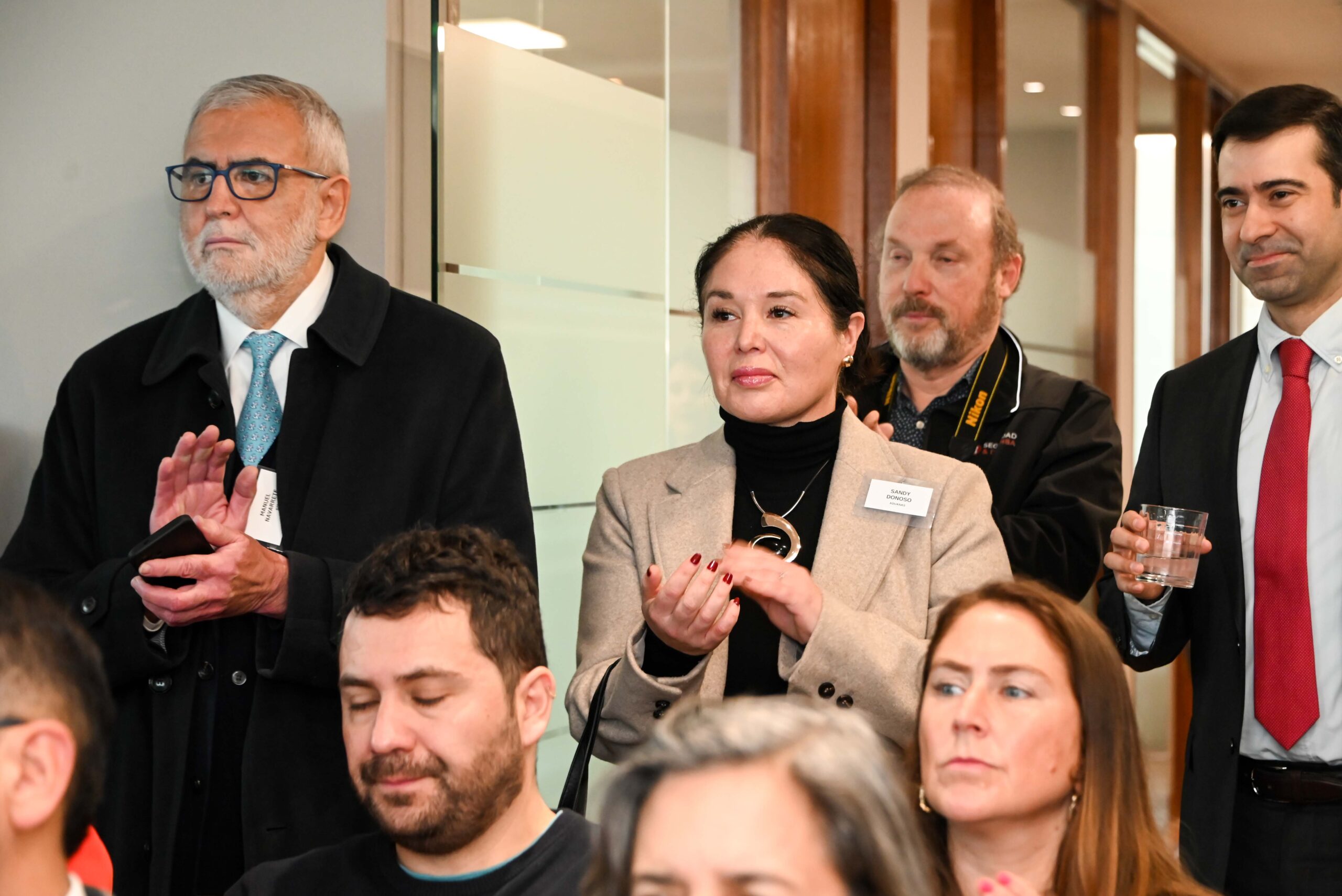
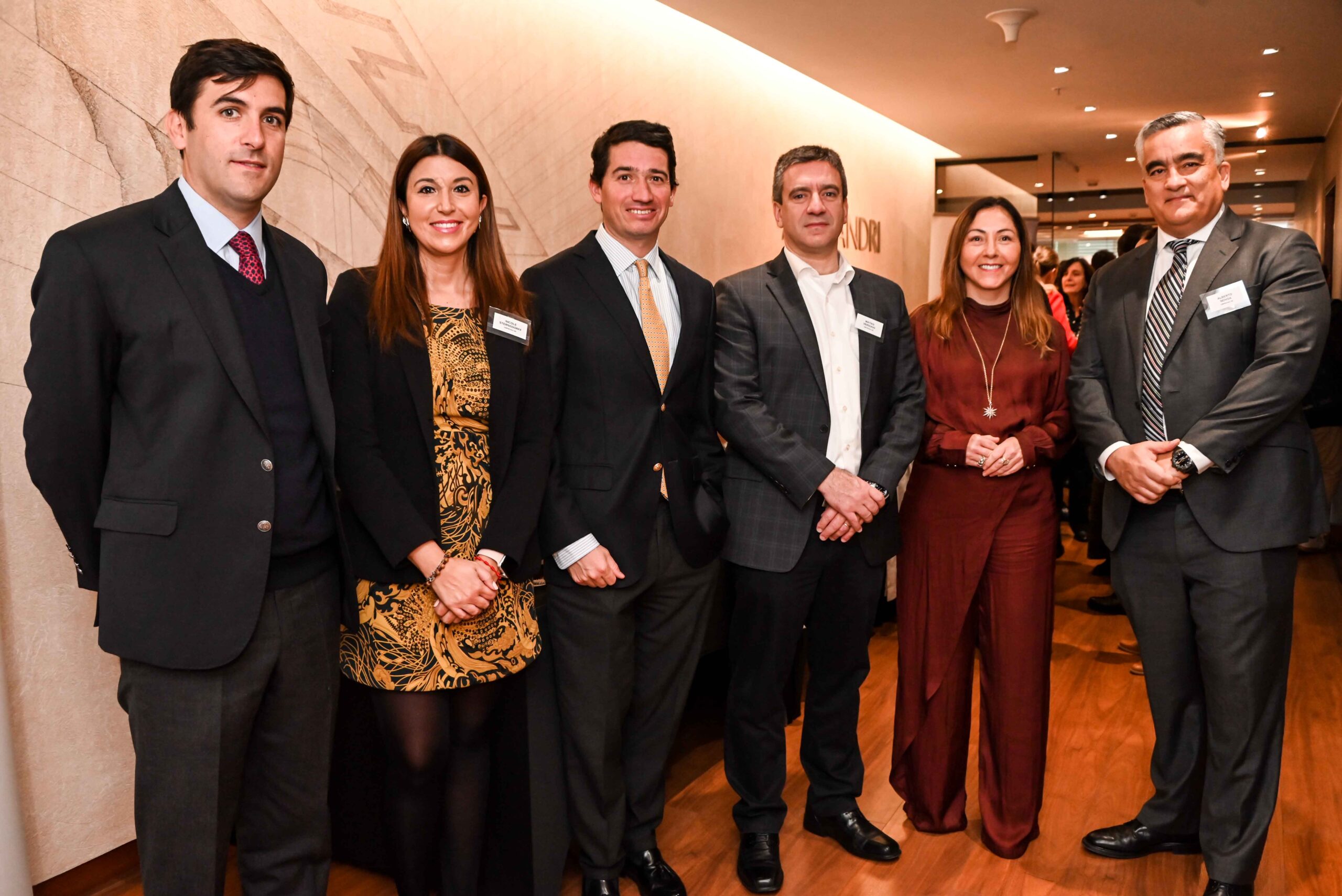
The launch was attended by representatives from the private sector, civil society, and the public sector, including Chile’s Undersecretary of Culture and the Arts, Carlos Lobos Mosqueira, who urged “stakeholders from all sectors to join this cross-sector effort and contribute to a safer nation for everyone.”
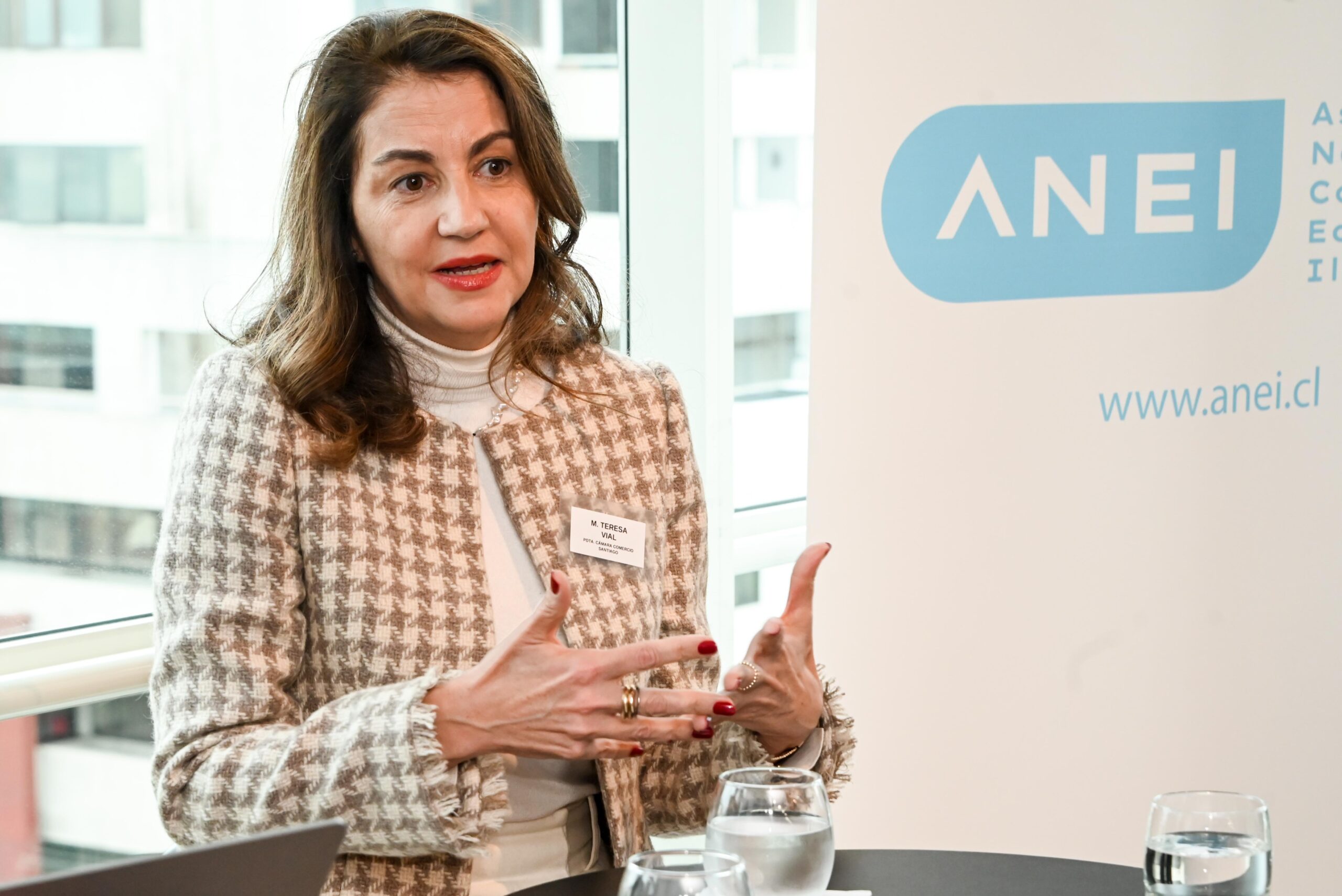
The president of the Santiago Chamber of Commerce, María Teresa Vial, added: “Companies must step up by providing concrete data and practical experience. ANEI will enable us to confront organized crime, which we cannot dismantle using the same old tools.”
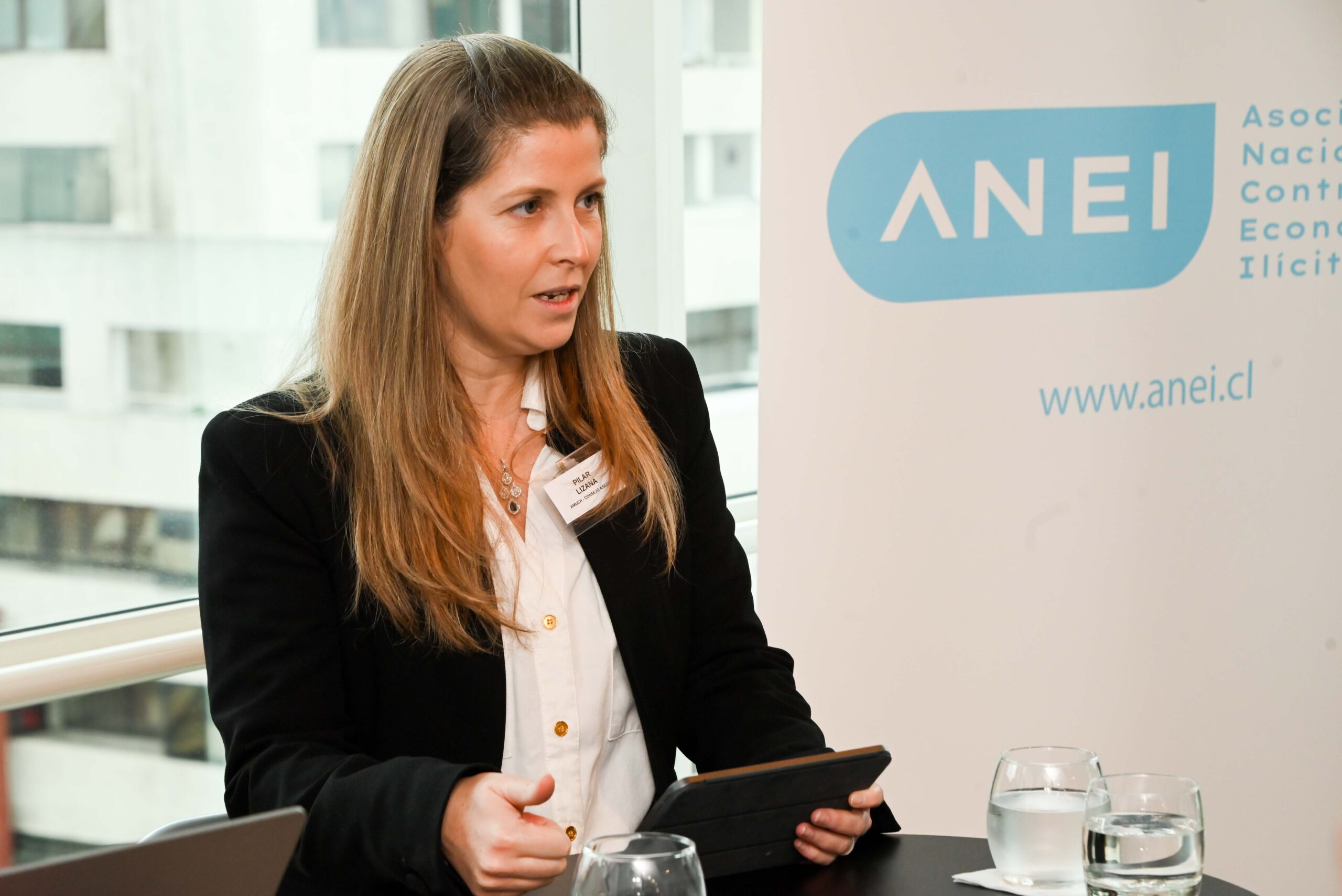
For her part, Pilar Lizana, who holds a Ph.D. in Government and Public Administration and is a member of the advisory board of the Territorial Security Observatory of the Association of Municipalities of Chile (AMUCH), highlighted the value of the partnership: “Organized crime operates with a business mindset; it seeks to maximize profits and uses violence as a business tool.
Illicit economies are growing silently, fueling this phenomenon and generating an enormous social and fiscal cost for Chile. To defeat them, we need to understand the nature of this threat and respond with a unified strategy involving both the public and private sectors. In this regard, the creation of ANEI is a fundamental step.”
Trade Association Proposals
The institution proposes establishing a state policy that remains in effect beyond changes in government, aiming to serve as a cross-cutting contribution to all administrations.
Among its main proposals are:
- The formation of a public-private partnership (ANEI) that recognizes the business community as a strategic ally in the fight against illicit economies, capable of adding value through tools such as information sharing and technology.
- Supporting the creation of a National Inter-institutional Information System, which operates independently and guides public-private efforts.
- Unifying the public discourse on illicit economies in order to establish a consistent definition, narrative, and set of actions that put an end to the romanticization of this issue, especially in the business sector.
- Formalize public-private cooperation mechanisms in the fight against illicit economies to ensure their continuity and ongoing evaluation.
- Implement an efficient system for managing seized assets that allows for the early destruction or social reuse of confiscated assets, with the goal of freeing up operational capacity in warehouses, courts, and customs offices.
About the ANEI
The National Association Against Illicit Economies (ANEI) is a Chilean initiative, founded in 2026, that originated directly from the private sector and brings together a consortium of companies and industries affected by the impact of smuggling, illegal trade, counterfeiting, piracy, and associated tax evasion. Its primary driving force is the urgent need to establish a common and coordinated front with the government, regulatory agencies, and the public to combat illicit economies, reclaim public spaces, and revitalize the local economy.